The Obligatory World Cup Post.

File:Qatar Airways (FIFA World Cup 2022 Livery).jpg - Wikimedia Commons

If you’re looking forward to enjoying the World Cup (2 weeks to go) then you’re probably a football fan or  have Brazil, Spain, England (yep, I said it) or France in the staff sweep-stake. If you’re not enjoying the World Cup then chances are you’re not a fan of football, or the staff sweep-stake left you with Morocco or Qatar.

The World Cup does lend itself to a variety of activities to revise material you have likely covered this year…

Recapping clothes and colours

This is one of my favourite ways to teach adjective endings. Football kits lend themselves to this task as the link explains. This could also be achieved with the flags of the countries.

Developing opinions and reasons

crystal-ball-14785249855CZ

CCO Public Domain

Why not get each member of your class to write a prediction? You could even involve yourself in this, particularly if you’re still bitter about the sweep-stake.

I think that <insert country here> is going to win

I believe that <team that is not England> is going to win

In my opinion <probably Spain> is going to win

You could change this depending on the ability of the students. Students could add a reason for their opinion “because they have better players”.  You could use the “will” future in French and Spanish instead of going to. They could add superlatives “because Ronaldo is the best”. More advanced students could use a subjunctive: “I hope that”.  There is an opportunity to revise descriptions and opinions “I like … because he/she is talented.”  You could also teach some colloquial language.

Never ending debate

The opinions above can be turned into a never-ending debate (at least that’s the name I’m giving it for now).  This is based on something I hazily recall from a video I saw by Greg Horton a number of years ago where students did something similar with school subjects (apologies to Greg if I have in anyway misrepresented what was going on in the video- happy to amend if needed). It requires some structuring from the teacher.  Your slide/lesson resources will require the following:

  1. A sentence builder with opinions similar to the ones above about who is going to win.
  2. Some questions such as “do you think … have a chance?”
  3. Some positive, negative, neutral opinions in your sentence builder.
  4. Some colloquial phrases “no way”, “not in a million years”

Put students into 3s or 4s. 

Student A (to student B): Who do you think will win?

Student B: “I think … is going to win because…”  “What do you think student C?”

Student C: “No way!  I think … is going to win because”

Student A: “not in a million years, … is going to win because”

There are 36 teams in the world cup, you should be fine to keep going for a while!

Ways I have found to make this more effective is to do the following:

  1. Firstly, this one only works first time!  Secondly, choose well.  Get one student from each group and tell them that if the group is still talking French/German/Spanish after 2mins to silently raise their hand.  You reward any groups with hands raised.
  2. Tell students you are walking around and will reward anyone speaking really good French/Spanish/German.  Write the names silently on a whiteboard and tell them afterwards.  It’s a handy reminder to the rest that had they been doing it too, they would have had the reward.
  3. Tell one student in the group to be deliberately controversial.  “Yes Morocco are going to win the world cup because…”
  4. Gradually remove/disappear parts of the sentence builder.
  5. Put a timer on the screen.  If students are still talking in TL when timer hits zero then there is a reward.

How are you going to watch the final – future tense revision.

Students produce their plans for the day of the final. There is an opportunity here for a short piece of writing involving time phrases, opinions, reasons and the future tense. If they are not planning to watch it at all then it is still good future tense practice.  This is a great opportunity to teach some more complex structures such as “after having done…” or “before watching…”

Consequences Activity

Students write their name at the bottom of a piece of paper. They write a sentence at the top, fold it towards themselves and pass it on. They keep going until all the sentences have been written. It can produce something amusing. Watch the kids closely (you know the ones I mean).

In the morning I’m going to…

For lunch, I’m going to…

In the afternoon, I’m going to

For dinner, I’m going to..

After having eaten, I’m going to…

… and … are going to be in the final.

Phonics Practice

Image result for seleccion de peru

This is one I have used a number of times. I always wonder why students can pronounce any footballer but then get every other word with the same sound patterns wrong!

For Spanish teams, pick one of the South American sides. Far harder. Most of the Spanish team will be well known to your kids whereas Costa Rica or Honduras’ first elevens will not be well known.

Recap target sounds with students. For Spanish this may be G, J, CE, CI, LL among others. For French this might be silent endings or other sounds. For Germany this could be sounds with umlauts, “ch” endings or double vowels.

Option 1: students announce the team to their partner as if they were on TV reading out the lineup.

Option 2: students race through the team trying to beat their partner to the end.

Option 3: teacher goes through lineup and students have to spot the mistakes made and correct them.  You could do this as a Conti style “faulty echo”.  With faulty echo I tend to have students write “la primera” and “la segunda” on each side of a whiteboard.  They show me after hearing both versions of the word and keep a points count going on their board.

Song Activities

I think England could have stopped at that John Barnes rap or Footballs Coming Home

Sergio Ramos was involved in this beauty…

How to exploit it…?

Well, I had some ideas but then found this superb guide on Frenchteacher.net Anything I write would simply be repeating the list.

Or use their Euro 2016 effort…

If you are a bit sick of the football, or your class is, then do the same with the song “Así Soy” It worked wonders with my Year 10 class.

Comparatives/Superlatives Revision

Image result for greater than

The world cup is an opportunity to revise comparatives and superlatives. Who is better, worse, faster, slower, uglier, less talented, more talented? Who is the best, worst, most irritating? There is a TES worksheet from a previous tournament that just needs a little bit of updating, based on who didn’t make it this year.

Player Biography / Description

Image result for david de gea spain save

Mira 3 has a section on biographies of famous people.  Viva 2 does a similar page on musicians. Why not do the same with footballers. There is an opportunity here to practise the past tense with “he played for”, “he signed for”, “he was born in”. There is an opportunity for the present tense “she plays for”, “she is a defender”. I’m sure you can come up with even more ideas.
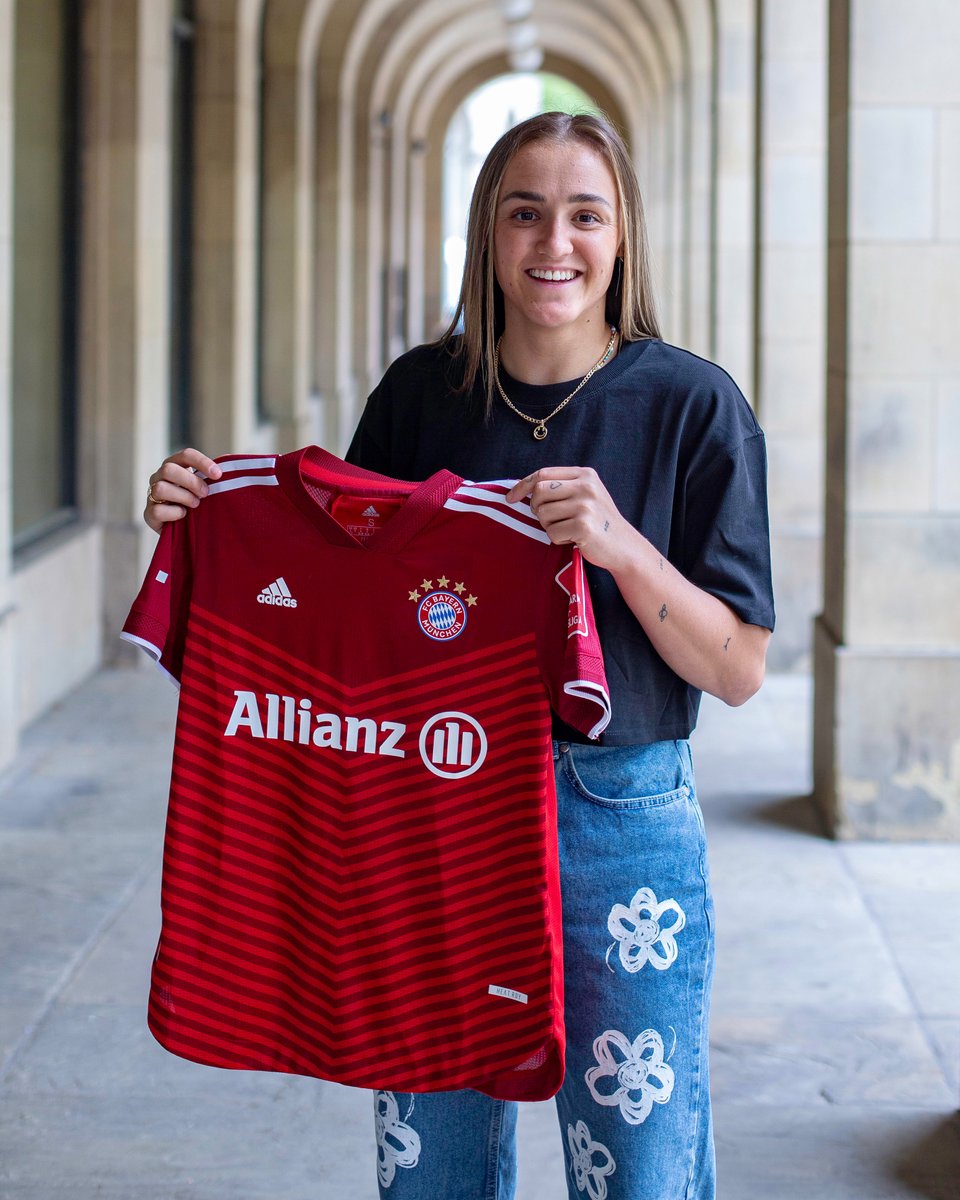
Georgia Stanway completes move from Manchester City to Bayern Munich | The  Mail

Whilst this post is predominantly about the World Cup, England quarter final hero and goalscorer Georgia Stanway has just joined Bayern Munich.  A quick proofreading of this post shows that there has been a lot of French/Spanish emphasis so far so this is for the German teachers.

  • You could put together a reading text covering past career, present situation and future hopes.
  • You could use this text from FCBFrauen with an emphasis on cognates.
  • You could use it as a listening text.  There is a “Text Vorlesen” option.  It is a little stilted.  Whilst I would normally advocate slowing listening texts with beginners, I’m not sure you would want to in this case.

Read some tweets

Image result for twitter

The vast majority of international teams are on Twitter, as are their players. You could screenshot a few and use them as a translation task. Example below:

Listening Bingo

Image result for barry davis commentator

Give students a selection of football related terms. You could record yourself commentating over a video clip, you could mute the clip and improvise on the spot, or use the original commentary (with advanced level)

Option 1: students select 5 terms and you play bingo. First person to hear all 5 wins.

Option 2: students have a list and tick off as many as they hear. People who get the correct number win.


Evolution of Starters

Over the time I have taught, the role and types of starter activity have varied massively. When I first started teaching, a starter was a quick activity to get the lesson off to a speedy start, ensure that every pupil was “doing something” and allow the teacher to deal with any admin (forgotten books, registers etc). The best starters were differentiated or had challenge tasks (with added chillis. If you don’t know what I mean by chillis, you’re probably better for it). This post is charting the journey of where I started to where I am now. As I researched for this post, I stumbled across MFLClassroomMagic who has a list of principles we should consider when planning starter tasks. I wish I had this list in the early days.

The Early Years

Match ups, gap fills, anagrams, spot the errors and two way translations were the name of the game in these days.

The Pros:

  • Quick to produce.
  • Environmentally friendly (no paper needed).
  • Accessible for most learners.
  • Easy to differentiate

The Cons

  • Were these cognitively demanding enough.
  • Would these have been better after introduction of vocabulary.
  • Students had to recall single words not chunks.

The Paper Based Ones

I went through a phase of paper based starters. I got to a point where I was quite quick at condensing them on to a page of 4 to a page (without needing a class set of magnifying glasses. These involved simple puzzles, gap fills or occasional Tarsia puzzles. For those unfamiliar with Tarsia, a tarsia puzzle is a shape divided into smaller shapes with clues along the inside lines that match. If you match them perfectly, you will create the shape.

Example from Mrbartonmaths.com. Whilst not language-specific, you will see the principle.

The Pros:

  • Quick to produce is using websites such as Discovery Education Puzzlemaker
  • Every student has something in front of them with little excuse for not doing it.
  • Students do enjoy puzzles or working things out.
  • Fallen phrase, double puzzles and letter tiles were my go-to puzzles.  Never wordsearches.

The Cons

  • Were these cognitively demanding enough?
  • Have enough glue-sticks to glue in the tarsia puzzles. Avoid tarsia puzzles during pollen season.
  • Sometimes took too long for some students and you would find them completing it in the lesson when they were meant to be on other things.
  • Again single words more likely so lost opportunity for longer chunks of transferable language.

The Vocabulary Test

I went through a phase in one school of vocabulary test starters based on learning homeworks. All students had vocabulary booklets and were allocated a section each week. 5 were Tl to English and 5 were English to TL.

The Pros:

  • Students had the resources, they just had to learn the phrases.
  • Rewards the diligent.
  • Workload light in terms of administering the test.  Tests could be marked by partner.
  • Easy to differentiate to ability groups

The Cons

  • Working out what to do with those who don’t revise or process things slowly.
  • Regular repeated failure for students can be quite demoralising.
  • Harder to make work in mixed groups. 
  • Some kids with dyslexic tendencies admitted they did not enjoy this part of the lesson.

I moved schools in 2018 and learning resources cannot be shared outside of the Trust so examples of the following cannot be given, even on request, sorry. As the Steve Smith style starters and “return of the vocabulary test” are no longer departmental or trust current practice (at least as starters, some of the activities may inevitably feature at other points in a lesson), then I will share them. The final one titled “The Hybrid” (sounds like a sci-fi film) is still in development and refinement. It may make an appearance on this blog one day.

The Steve Smith Style starters

I would characterise the next phase of my evolution as the “Steve Smith style starter.” This is not because they are solely Steve Smith creations (although they may indeed be) but mainly because they (and variations thereof) all appear in this nifty list on his website! One starter task that I cannot locate the author of (wondered if it might have been Kayleigh Merrick via Twitter. If you are reading this and it is you, and you’re not Kayleigh, then please let me know and I will happily link to your blog/Twitter feed), was “Find 4”. This could have been 4 ways to start a sentence, 4 items of vocabulary on a particular theme, 4 connecting words. One would assume that with such an activity marks would be awarded for creativity and originality.

The Pros:

  • Start/End the sentences.  I always referred to it as “starts and ends.”  Students enjoyed the freedom with this activity to finish the sentence.  Your most creative students will enjoy finishing some of these, particularly anything that involves their classmates.  Sentences such as “at the weekend … is going to” or this weekend (insert past tense activity here) said The Prime Minister (or any celeb, other teacher etc)
  • Activities like “change one thing” work really well.  You can also colour some words so that half of the room change one thing and half of the room change another thing. 
  • Convert the sentence from present to future was always challenging but I found worked better if an infinitive was given in brackets 

The Cons

  • Keeping the creativity going with these is ever so slightly trickier.
  • Odd one out was a good activity and students would enjoy it but it helps to have some phrases so students can explain their decision in TL otherwise you risk going into English for too long.  Phrases such as the ones below, allow for a bit more TL use.
    • I think the odd one out is … because of the spelling / length /meaning / type of word
    • I’ll be honest, it was a guess

Return of the Vocabulary Test

Our school moved to silent starts of lessons for the first 10minutes for all subjects and all lessons. This meant we had to be creative in what we did with our first 10mins that did not involve talking. In that time, students would have 10 phrases to change from English to TL. They were tested on the same phrases for 3-4 lessons in a row so that they got better at them.

The Pros:

  • Allowed testing of chunks and single words chosen by the teacher.
  • A positive marking scheme of “2 points for perfect 1 for close” rewarded effort.
  • Questions could get progressively tougher.
  • Students repeatedly tested on the same chunks.
  • Worked well in remote learning.

The Cons

  • Bit repetitive.
  • Hard to stop students checking previous page in book for answers.
  • Always had to go through answers, some students would copy down during this and maybe not think enough during the test.

The Hybrid

Where we are now, is a place I’m quite happy about. It takes some of the better elements of all the above. It ticks most of the boxes on MFL Classroom Magic’s list. It is not perfect (few things in education are perfect) but the direction of travel seems right There are two tasks to complete in our first ten minutes, with the suggestion they apportion their time appropriately. Elaborating on this will have to wait for another day.

Final Words

Hopefully this post stirs you to thought. Maybe that thought is “I’m really glad my school does … and not what I have just read.” Sometimes it’s quite nice to be reminded we are doing the right thing. Maybe that thought is “I can’t believe Everydaymfl is not doing this awesome thing which we do, he absolutely should know about this awesome thing!” If that is your thought then please drop it straight in the comments.

However, that thought might be “I should really look at our department starters ahead of the new term.” If the ideas above have not hit the spot then I would whole-heartedly recommend this list from MFLClassroom Magic for 25+ more ideas (with added templates). If you’re stuck after that then ask your team, they might just have a brilliant idea.

GCSE: Current and future study

After a far longer break than planned, EverydayMFL is back.  Prior to this hiatus, I had worked my way through a number of the less desirable GCSE topics to teach.  After going through  global issues, customs and festivals and charity and volunteering.  I decided school and study should be next.  Kids have mixed feelings about the topic.  Teachers might also have mixed feelings.  It comes with some nice easy grammar in Year 7 but then it is less fun to talk about in Year 11.

Here are a few ways to make the school topic fun.

Who’s the greatest?

2312158825_139a87e4a2_m

Photo Credit: jtfmulder Flickr via Compfight cc

Flowcharts are used heavily in other subjects but rarely in languages.  I’ve often used one set out as follows to allow students to give their opinions on the best teacher.  It is also great CPD as you can find out the one they genuinely believe to be the best and then learn from them.  Quite often the one described as a “legend” is different from the one they feel they learn best from.

                                             Opinion phrase

Teacher

is the most …

because (positive reasons)                 because (negative reasons)

although he/she can be

positive adjectives                                 negative adjectives

You could achieve a similar effect with a writing frame but I think the flowchart gives a slightly different feeling of progression.

At the end you could get them to apply it to a different topic.  Whilst the phrasing is slightly artificial, it should show the students that the same structure can be applied across topics.

I think that <insert sport here> is the most … because … although it can be …

Hogwarts Conditional

hogwarts-2404482_1920.jpg

The majority of students still appreciate the Harry Potter books.  This allows you to teach conditional clauses: “if I went to Hogwarts, I would study …”  “If I were at Hogwarts, my favourite teacher would be…”

List of subjects here if you need them.

Alternatively …

If I were the boss

boss

Again teaching conditional clauses, you would be surprised how many students want to talk when they are given a writing frame on school improvement.

“If I were the head, I would…”

“If I had the choice, I would…”

“If I could, I would…”

Clause structures & Descriptions

Early in year 7 students are likely to have learnt how to describe people. It is often worth revisiting in year 10-11 but I have tried to do it with more advanced clause structures:

  • Not only…but also
  • Both … and …
  • Neither … nor
  • Regardless of whether … is …, I think that …
  • He/she can be … but can also be …
  • In spite of being … , he/she is also …

Germanists can have a field day here with “weder…noch…”, “egal, ob…”,  “zwar…aber…” and “sowohl…als auch”.  I’m sure French and Spanish teachers can come up with a few.

Describing your school

Image result for school floor plan

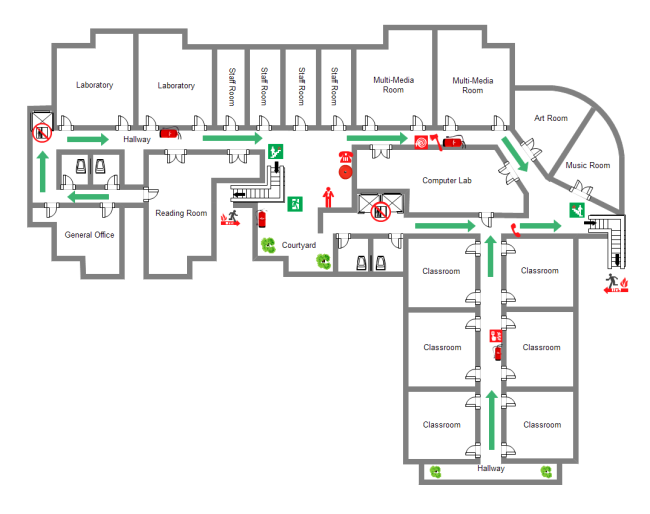
This has got to be one of the most tedious bits to teach.  I cannot imagine many students enjoy relating the facts that their school has classrooms, modern science labs and a small playground.  Here is an activity to make it ever so slightly more interesting:

Teacher gives half of the class mini-whiteboards.  The other half are given cards containing a description of a school (parallel text in both languages).  Starting in the top corner students draw in the rooms as they are told where they are.  The whiteboard is then passed to the other person to check.  They then rub out any wrong rooms and read those parts again.

You will need two sets of descriptions so that both people can have a go.

This could also be done as a whole class listening task.  You could even do the school you are in and get students to spot the mistakes you make.

After School Clubs

Image result for fencing

Again, another topic to enthuse…

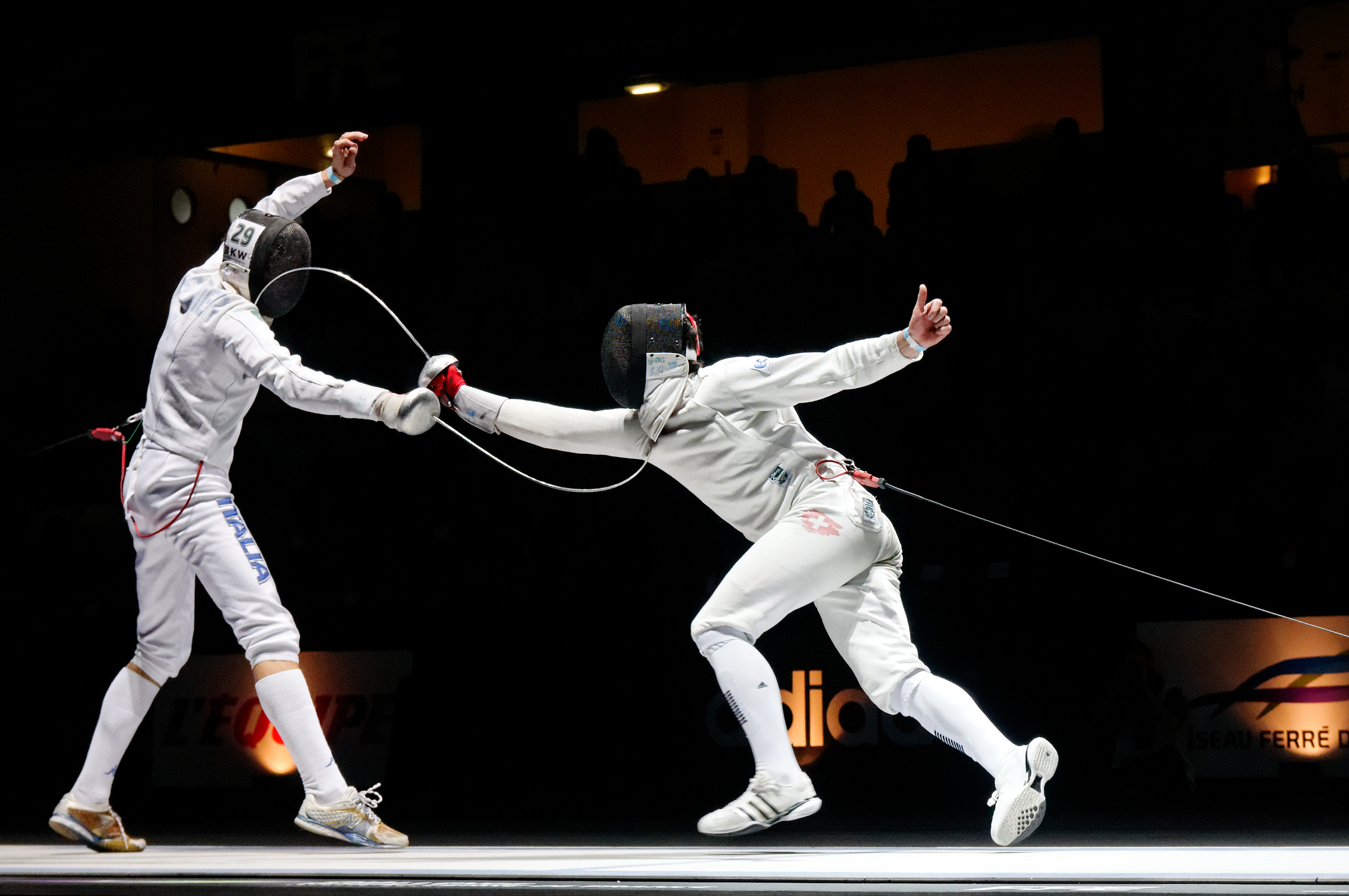
Essentially from this you want students to come away with a structure such as: “después del instituto”, “después de haber terminado mis clases”, “après avoir fini mes cours”, “am Ende des Tages” combined with the preterite/passé composé or perfekt tense

Have students look up some slightly more interesting activities in advance of this lesson.  Fencing, bungee jumping, quidditch, gaming.  They can then practice the structure you want them to learn.  I can imagine some quite creative efforts once you add in TMP (Germanists only).

Future plans Cluedo

Image result for cluedo

ah…the good old days

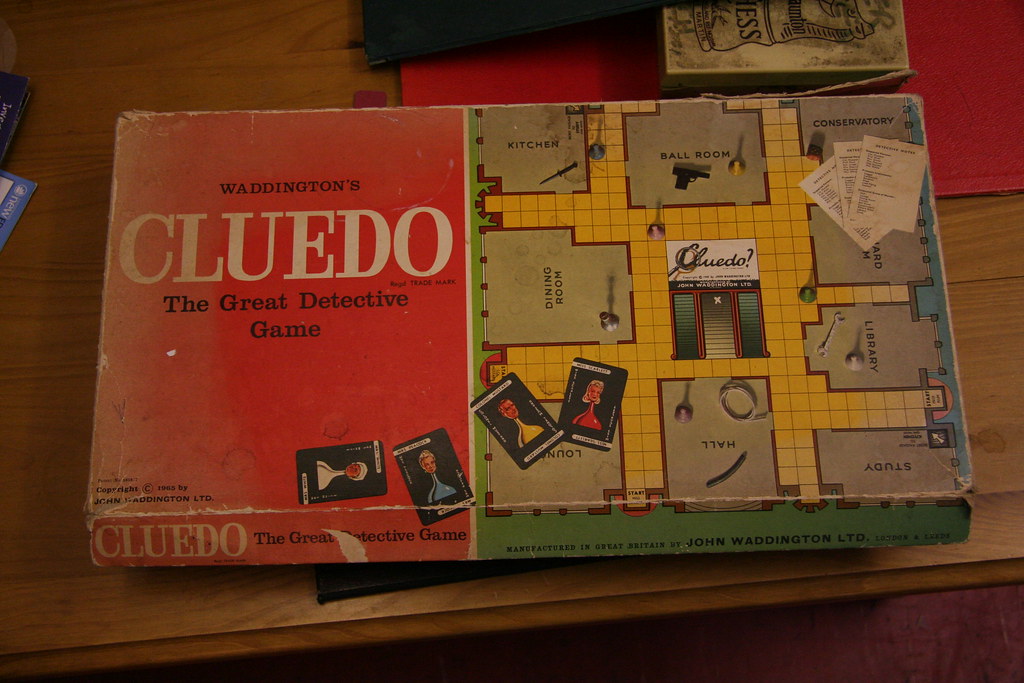
I was introduced to “who killed Santa” cluedo in my NQT year by two super language teachers I worked with.  The structure can largely be applied to anything.  Another popular language teaching website calls it mind-reading.

Give students the following table on a slide.

They pick three phrases and write them on a mini-whiteboard or in books.  The student guessing needs to read out the verbs at the top and the infinitives.  The person with the three answers can only tell them how many they are getting right.

I want to… I’m going to… I would like to
infinitive chunk
infinitive chunk
infinitive chunk
infinitive chunk
infinitive chunk
infinitive chunk
infinitive chunk
infinitive chunk
infi YOU nitive
infi GET nitive
infi THE nitive
infi IDEA nitive

This is great as you can recycle quite a lot of language and also three ways of talking about the future at once.